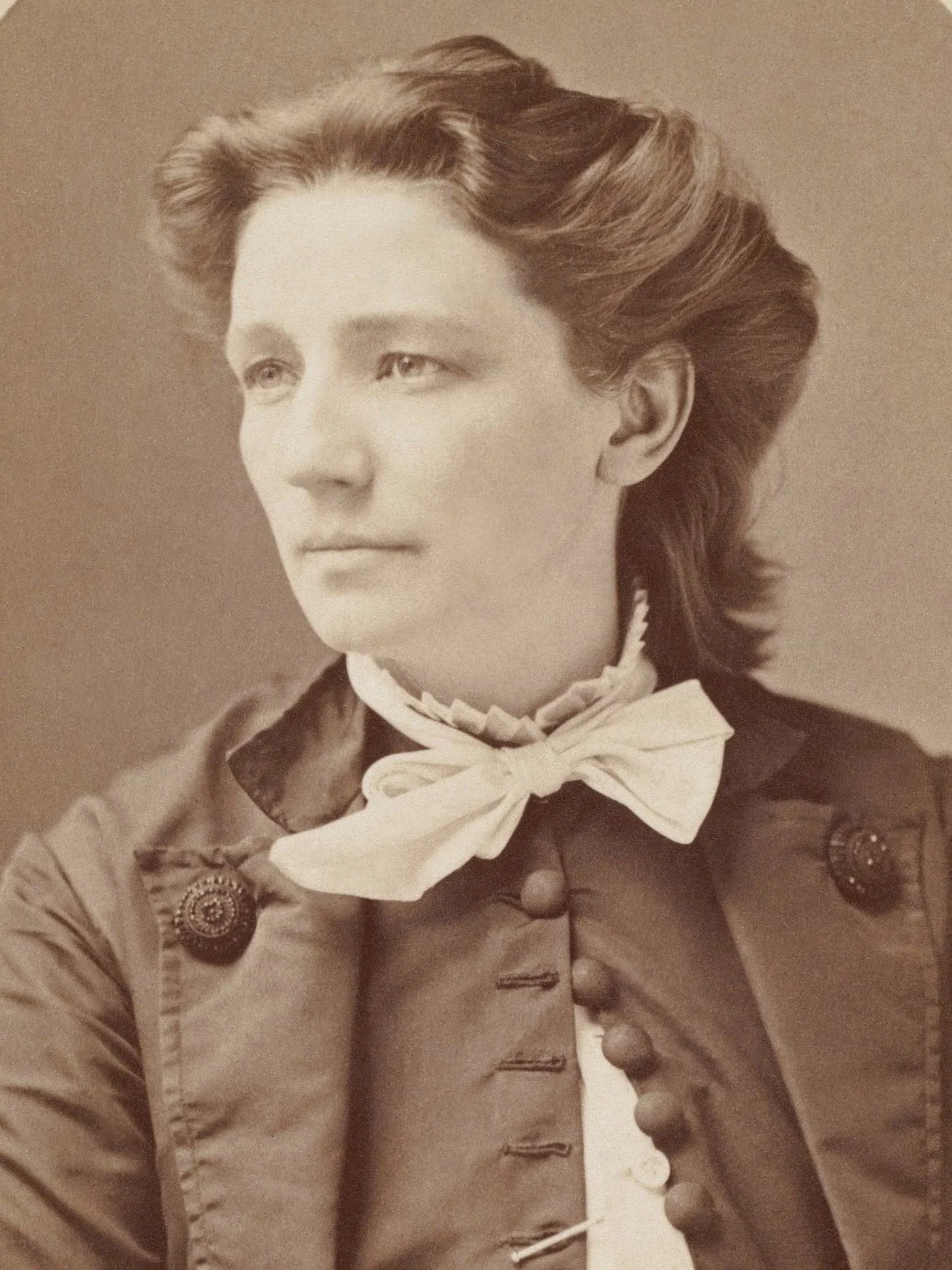
Victoria Woodhull was the first female to run for US president. Maybe we’ll see one in our lifetime?
Our walk begins at the Metro Center metro stop, because hey, who needs to look for and pay for DC parking? Come out to G Street and head west. Start looking down at the sidewalk for big bronze medallions embedded in the sidewalk.
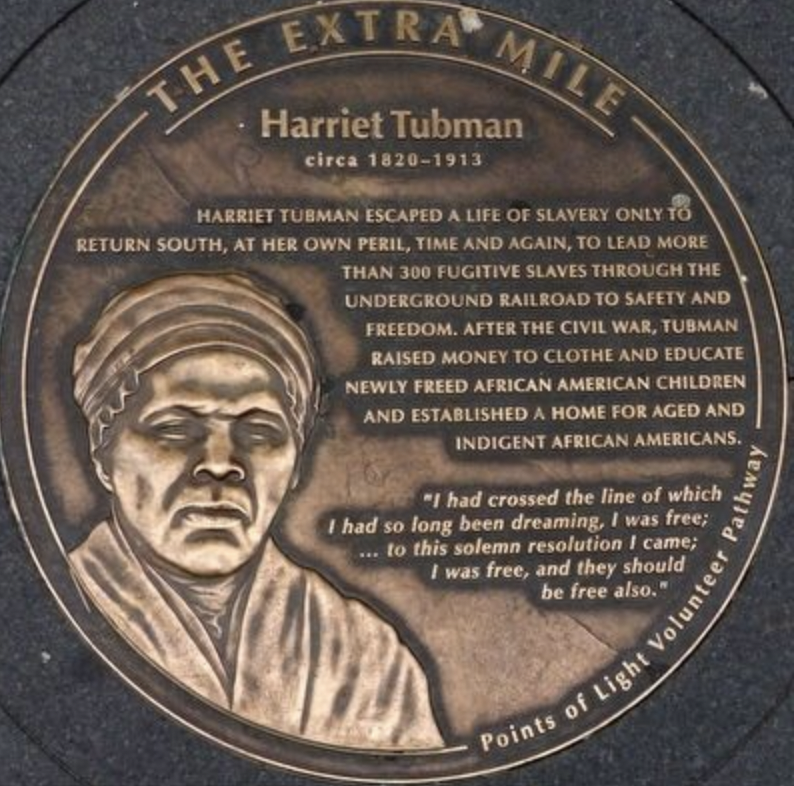
Our first steps today are sort of like Awesome Women Speed-Dating! We’ll learn about many women included in a set of 34 bronze medallions, a project of Barbara and George Bush and their Points of Light salute to people who devoted their lives to better life for others.
Today, we won’t walk by as most folks do, ignoring these markers. Instead, we’ll see photos of the real women who changed innumerable lives. Read the medallions for the basic 411; then see what else there’s to know. As always, the links take you to more fascinating info.
Then we’ll make our way as close as we can get to the somewhat bunkered White House and meet more ladies in and around what will soon once again be The People’s House.
First stop: the medallion for Bill and Dr. Bob. Wait, men? Thumbs up to the guys for starting Alcoholics Anonymous, which has and continues to stem the destruction of alcoholism on families and society.
Sister Ignatia
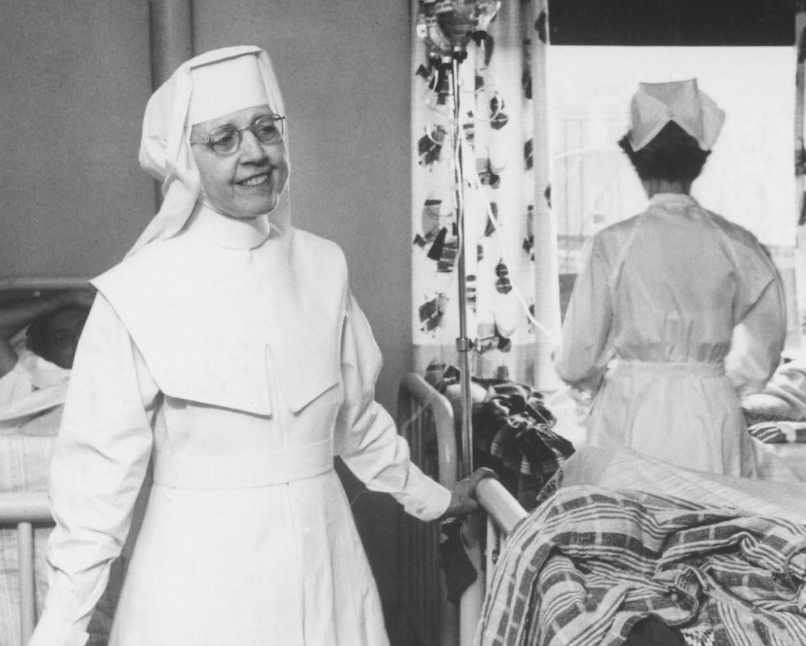
BUT they took some cues from Sister Ignatia Gavin, a Cleveland nun who developed some of the fundamental successful tactics with the alcoholics she tended at her hospital. She then partnered with Bill and Bob, and as AA notes, is known as “The Angel of AA.” My favorite tactic: When one of her alcoholics “graduated,” she’d give him a medal of the Sacred Heart and tell him that if he started drinking again, he’d have to bring it back to her. YES to guilt and tough love!
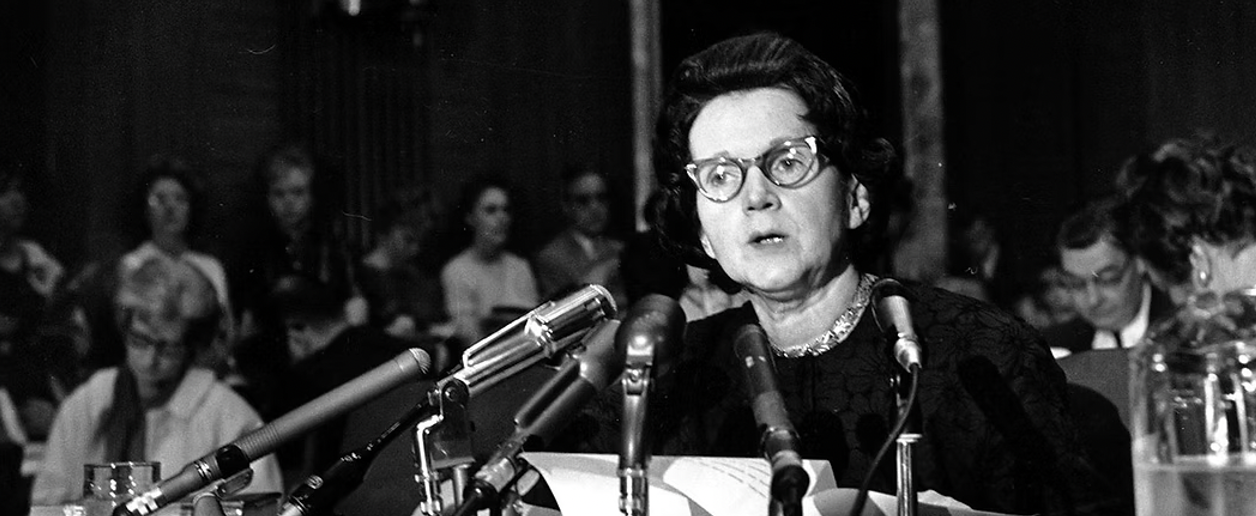
Rachel Carson
Her medallion says it right: Rachel Carson laid the groundwork for the environmental movement that mushroomed in the 1960s with Silent Spring and other writing. She’s also our hometown gal—she lived in several homes in Silver Spring. Thanks, Rachel, and so sorry you had to endure incredible sexism that dismissed your excellent research because, they said, women couldn’t possibly know about science as she did.
Do NOT miss learning more about Rachel from the folks creating Springsong Museum, dedicated to telling the world about Rachel! The museum will be opening next year, but they’re offering wonderful programing that has folks engaged in Rachel’s fascinating backstory and the natural wonders she explored in this area.
At G street and 13th, look for two callboxes—part of eight callboxes that once kept DC residents close to a way to alert police or firefighters in an emergency. All are dedicated to women. Check them out on your own or with the excellent guidance of the women from the awesome A Tour of Her Own.
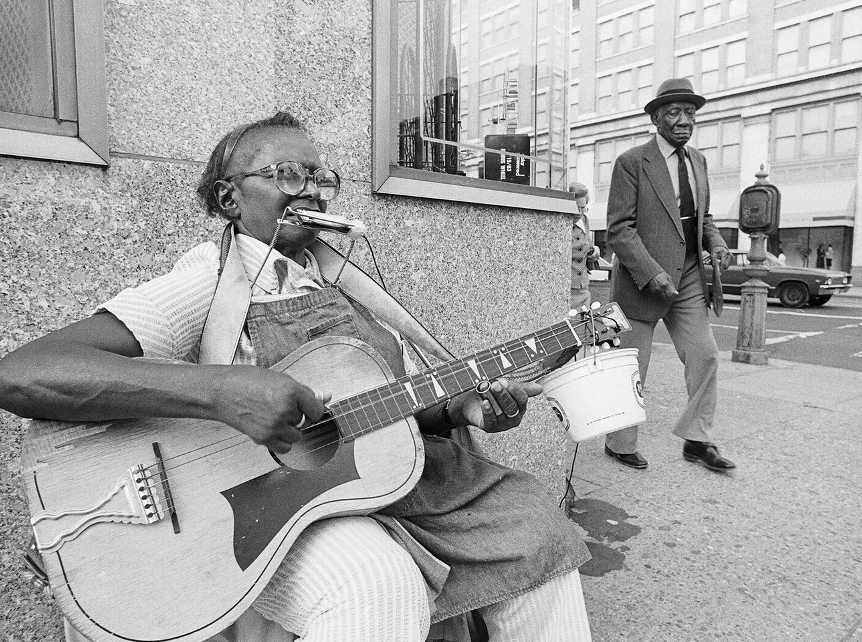
Flora Molton
Gifted guitarist Flora Molton played blues and gospel at her callbox corner for decades, earning tips tossed into the plastic bucket attached to her guitar. Partially blind and musically self-educated, this incredible musician only gained some due later in life, recording her first album at—wait for it—79!
Her street concerts weren’t always welcome in segregated DC, where the police would chase her away early on. But she persisted, and began to be noticed and encouraged by others in the blues and folk scene. Later, she started her own recording company, Molton Records, and played at the Smithsonian Folklife Festival and went on a tour to Europe.
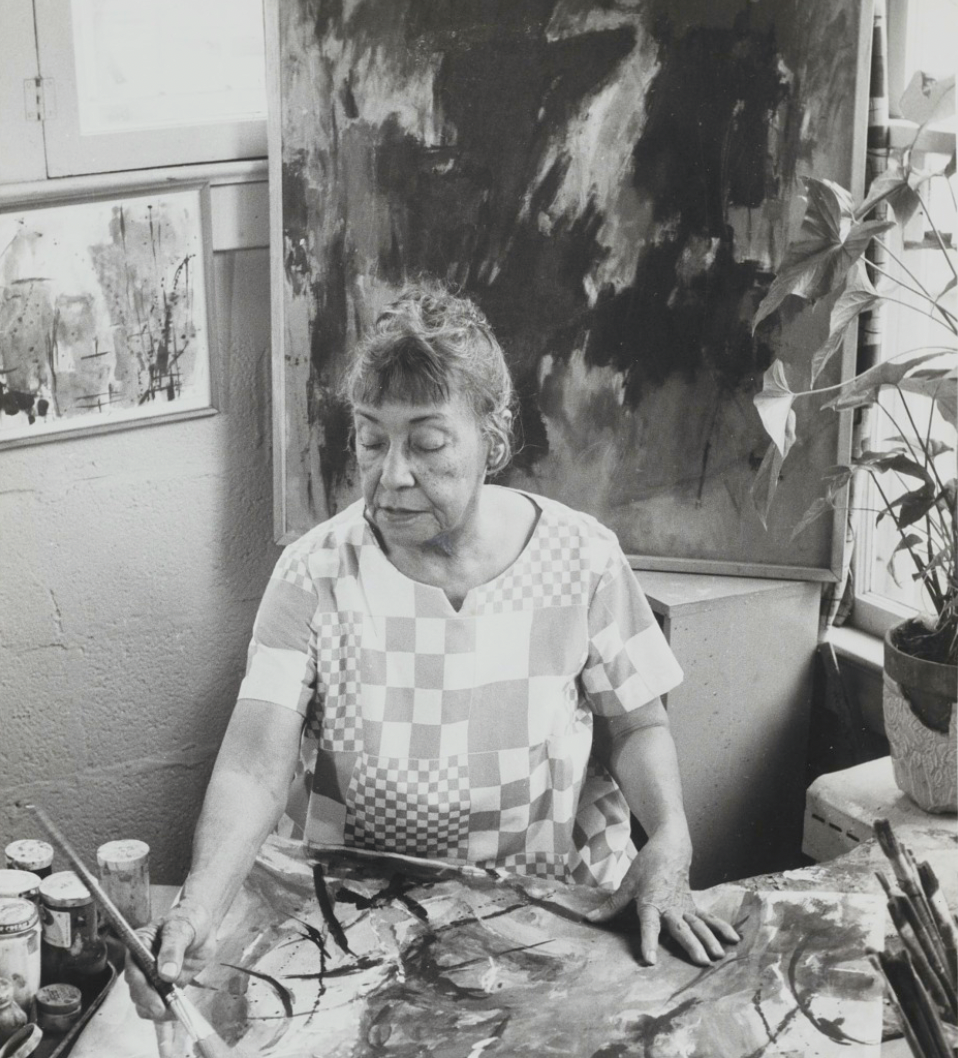
Alma Woodsey Thomas
Abstract artist and educator Alma Woodsey Thomas devoted decades to teaching art at the segregated Shaw Junior High School near Howard University while she created beautiful abstract work in her time off. In the 1930s, she helped start one of the country’s first galleries for Black artists, the Barnett-Aden Gallery.
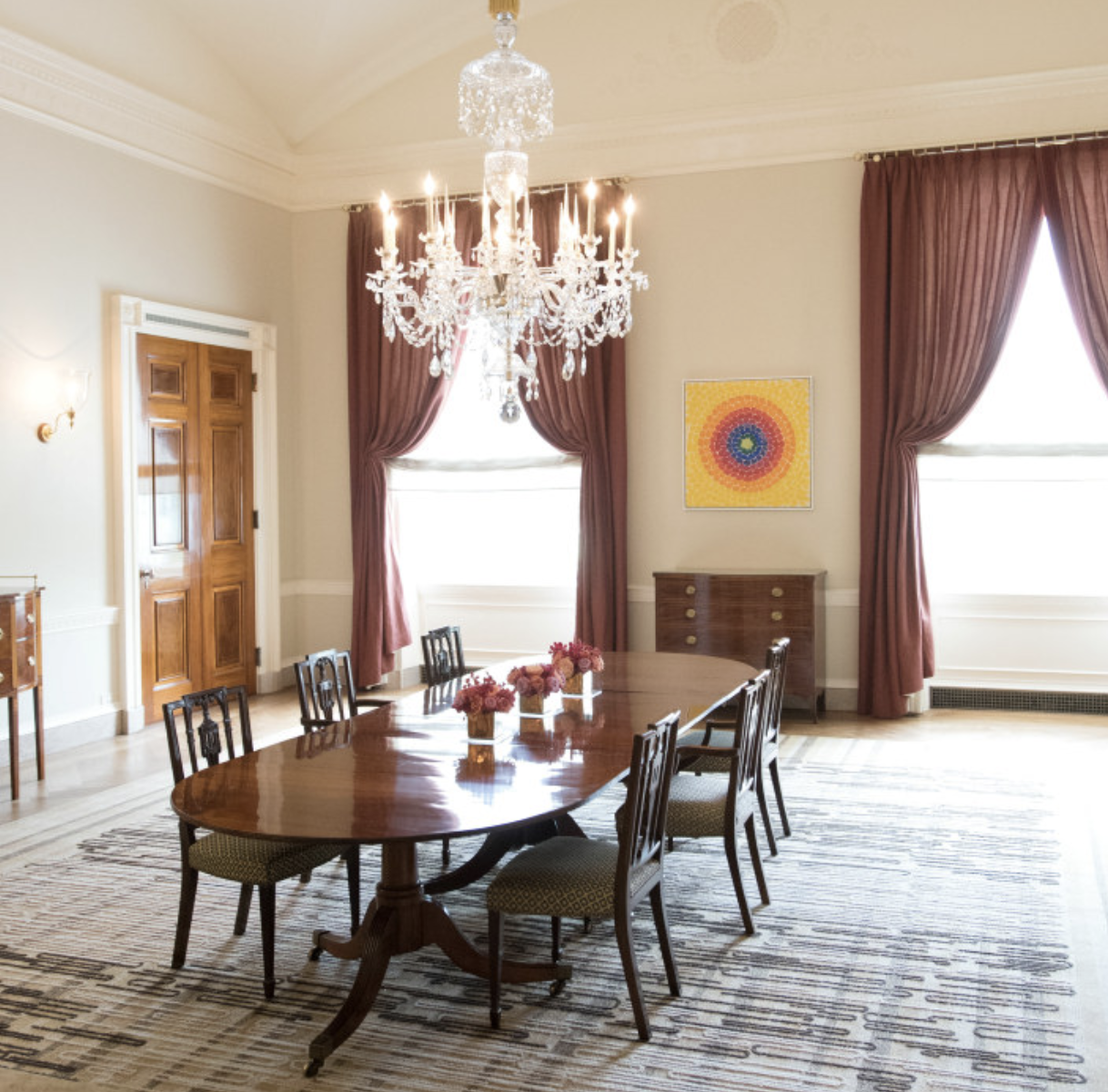
Her first abstract show took place at Howard University in 1966, when she was 75 years old. Check out her beautiful work at the nearby National Museum of Women in the Arts. Alma’s “Resurrection” hopefully still hangs in the White House, where it was installed by Michele Obama in 2016.
Cross back to the south side of G Street and continue west.
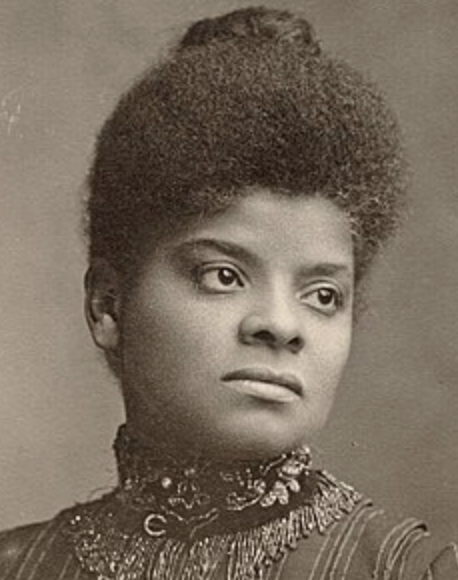
Ida B. Wells
Awesome that Ida B. Wells is here, and awesome that she is also present in a statue at the Ida B. Wells Middle school not so far from here in Manor Park.
I love that kids will learn of her fierce dedication to get equal rights for Black people and women and fight lynching. Learn much more about her at the National Museum of African-American History and Culture.
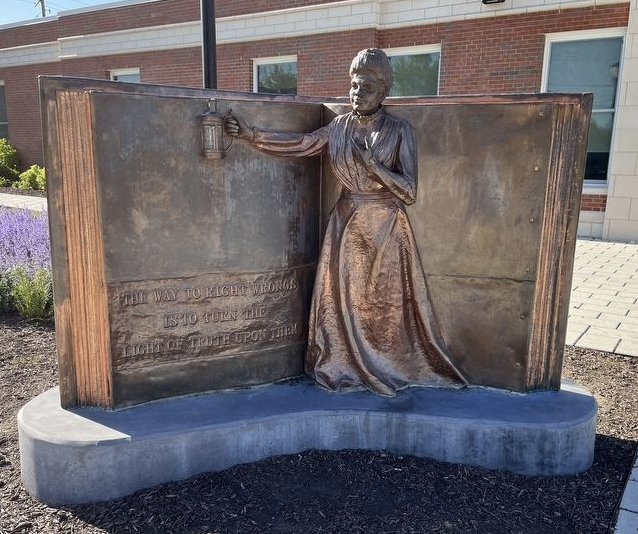
And we can conjure her in a minute when we’ll literally walk in her footsteps, as the suffragists did in 1913, along Pennsylvania Avenue and up 15th to the White House. Ida defied parade organizers who told her that Black people would have to march in the back AFTER the male suffragists.
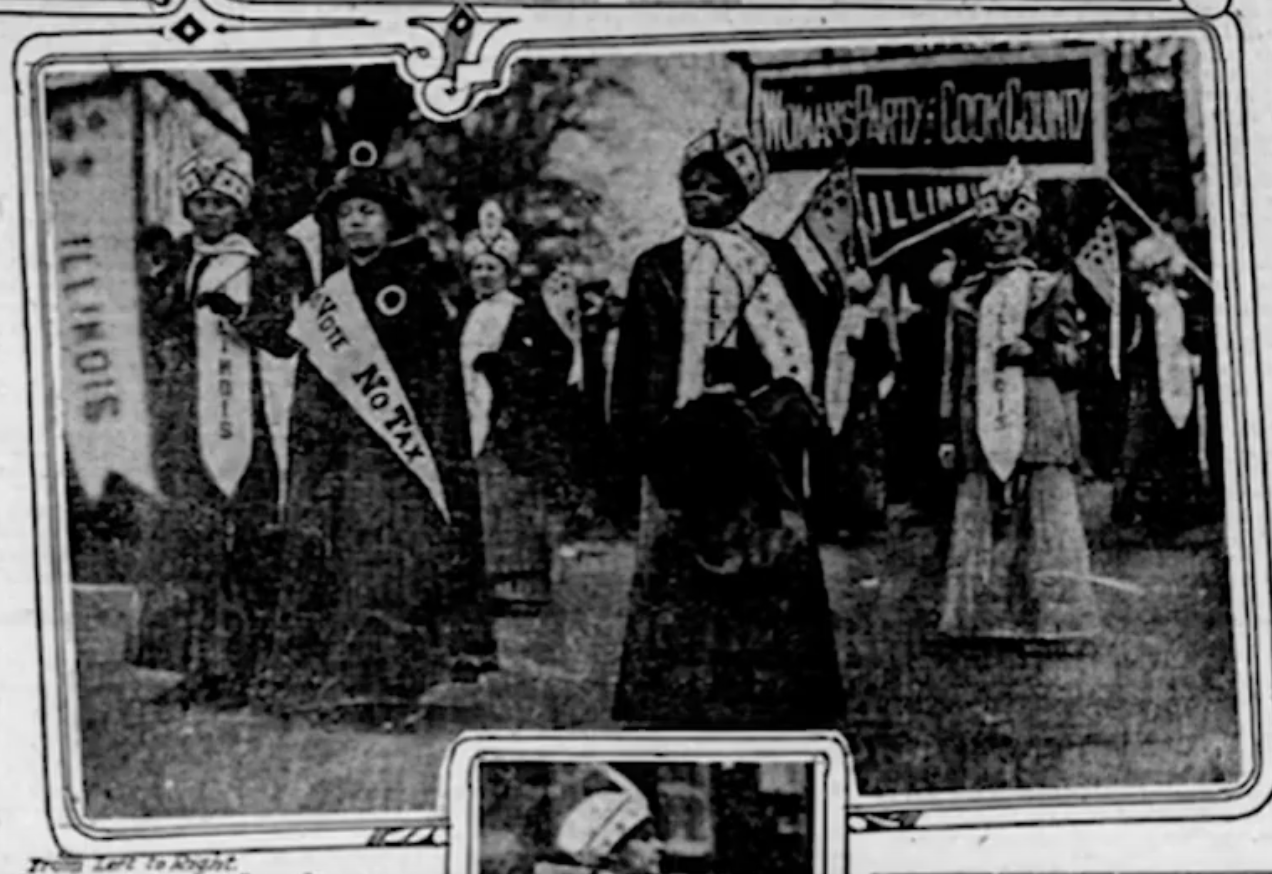
Southern suffragists had declared that they wouldn’t march in an integrated parade, so organizers tried to force Black women to the back. Ida waited on the sidewalk until her state delegation marched by, and she joined in with the white women. What an inspiration!
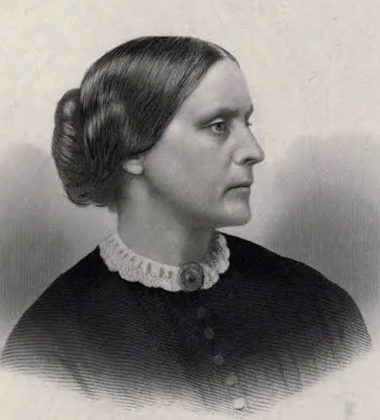
Susan B. Anthony
Susan B. Anthony grew up in an abolitionist household where Frederick Douglass would visit, and starting at 13, she fought hard against slavery. But when the suffrage movement divided over whether Black men or White women should get the vote first, Susan went for White women. Susan also campaigned for equal pay—as a teacher who supported hersewlf, she was paid $2.50 a month compared to the men’s $10 monthly.
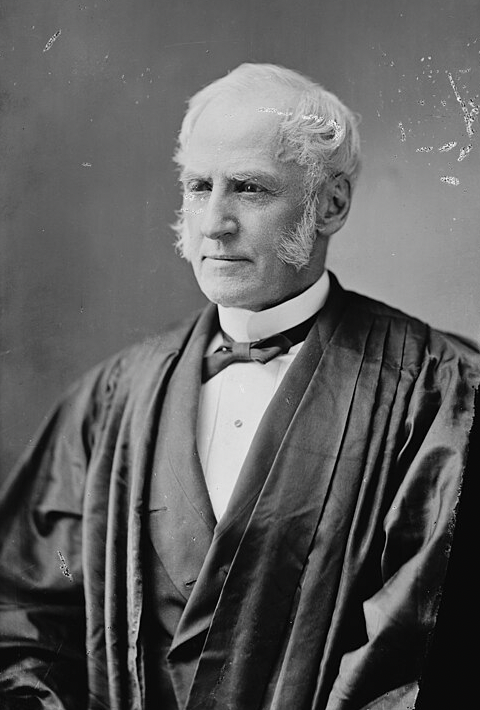
She spoke over The Judge.
Susan voted illegally in 1872, a move then copied by some 50 women in her area. She was later arrested and brought to trial. Judge Ward Hunt found her guilty; when he asked if she had anything to say, she let go with both barrels and kept talking over his orders to sit down and shut up.
“You have trampled under foot every vital principle of our government,” she charged, and went on, concluding by warning that women will take their rights by force and “mean to take it at every possible opportunity.”
Sadly, she died in 1906, 14 years before what was widely known as the Susan B. Anthony 19th Amendment passed.
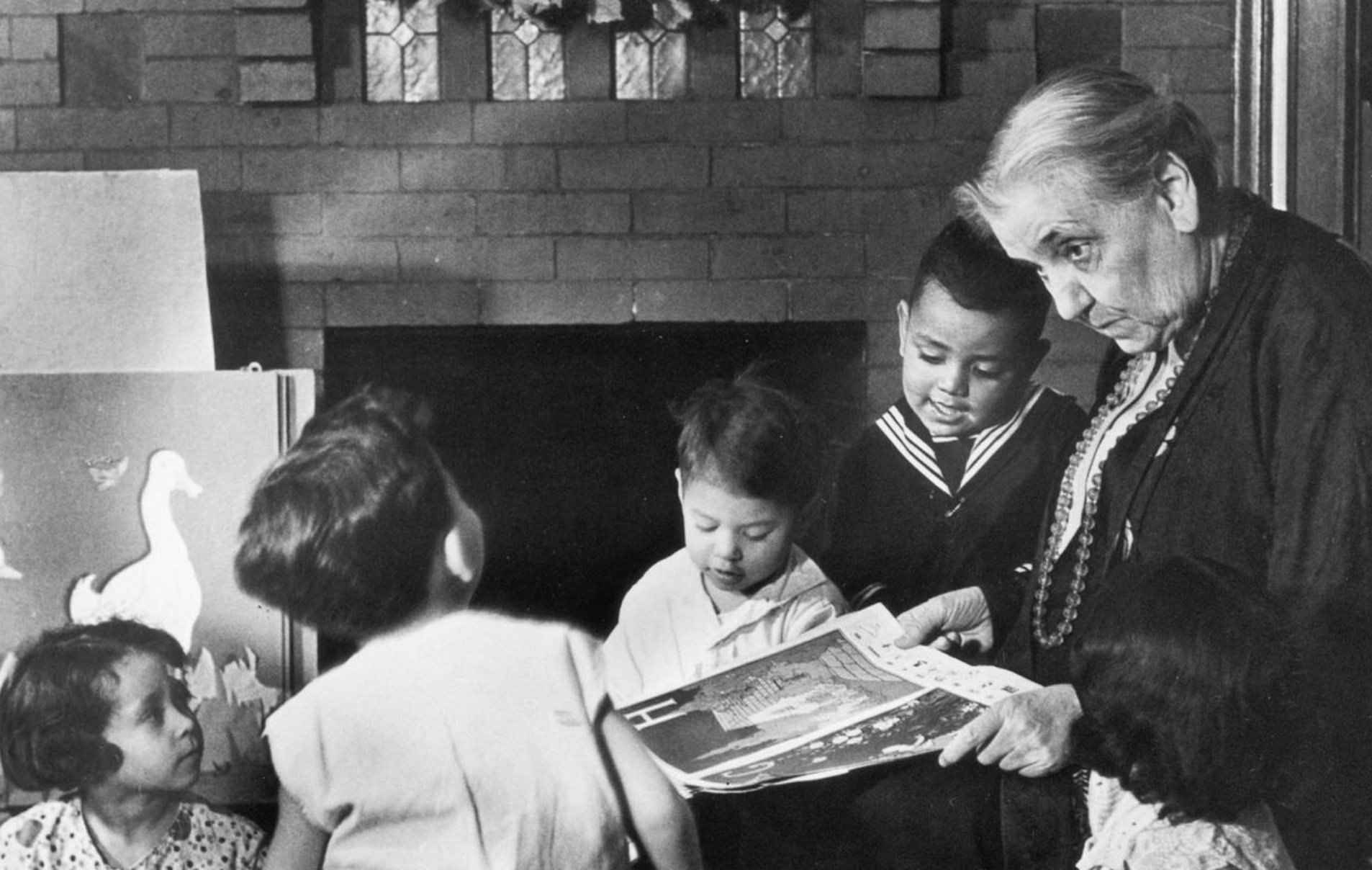
Jane reading to children at Hull House
Jane Addams
Jane did magnificent work for the immigrants and people needing basic human rights, and Jane Addams’ Hull House provided a blueprint for one of the most effective tools for helping immigrant families who came and worked difficult jobs to provide goods everyone needed. An army of middle-class women would help families learn a new language, gain skills so they could get jobs, and get education, healthcare, and daycare. Hull House continues on as several social service agencies, as does the work of many of the over 400 settlement houses in the US.
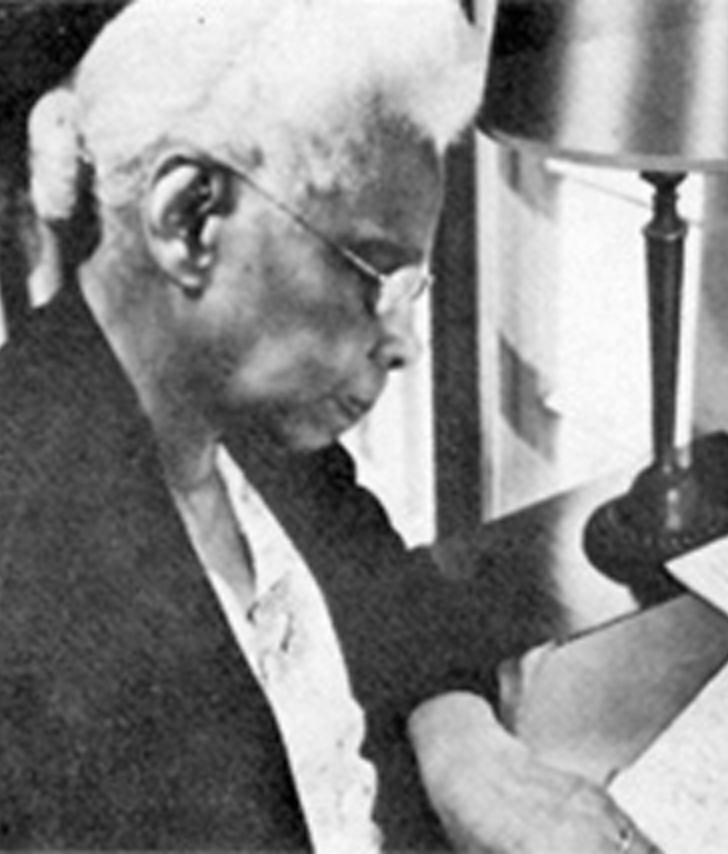
Sarah Collins Fernandis
Settlement houses helped people here, too. One was the first ever for Black people, the Colored Social Settlement House, in Southwest Washington on the site of the current King Greenleaf public housing community.
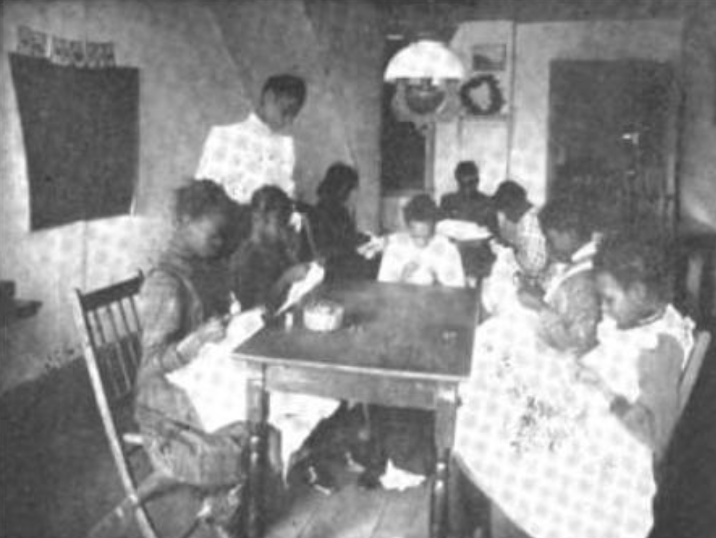
Sarah Collins Fernandis founded it, along with Anna Julia Cooper, Mary Church Terrell, and others. Visit the site and others in my Southwest Washington Women Walk you’ll see here soon. Here’s a photo of the girls sewing club, one of a myriad of projects at the settlement House.
Dorothea Dix
The description on Dorothea Dix’s medallion is apt: “Inspired by her social conscience, Dorothea Dix launched a self-financed career aimed at improving the lives of the mentally ill. Her mission to document squalid institutional living conditions and inhumane treatment built public awareness and redefined political thought, leading to better treatment practices.”
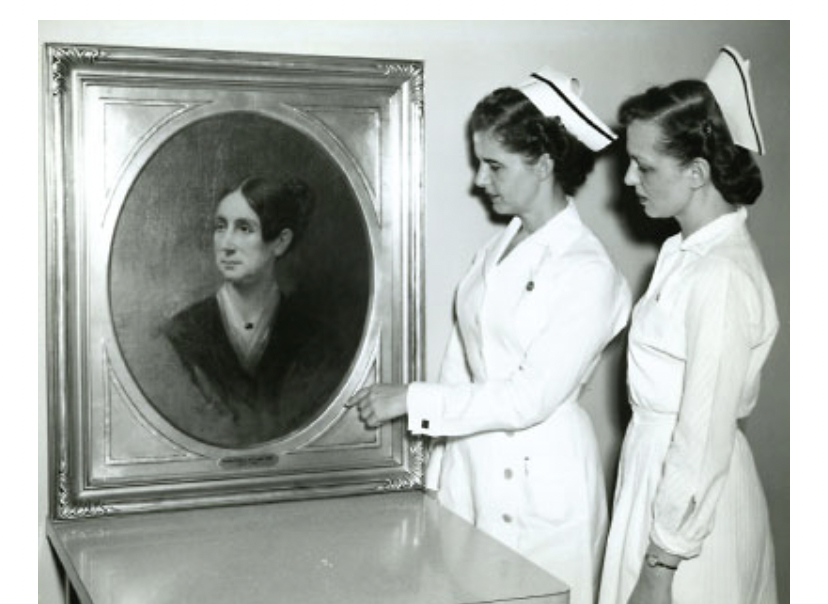
Nurses at St. Elizabeth circa 1950s carried out Dorothea’s ideas.
Dorothea also had great impact in this area, pushing through the nation’s first mental health hospital, which still stand in Anacostia as St. Elizabeth’s Hospital. She was determined to replace the awful almshouses and jails that housed mentally ill people. The “Government Hospital for the Insane” was built in 1855, just in time to help the droves of Civil War soldiers suffering from battle trauma. St. Elizabeth’s is being preserved and repurposed.
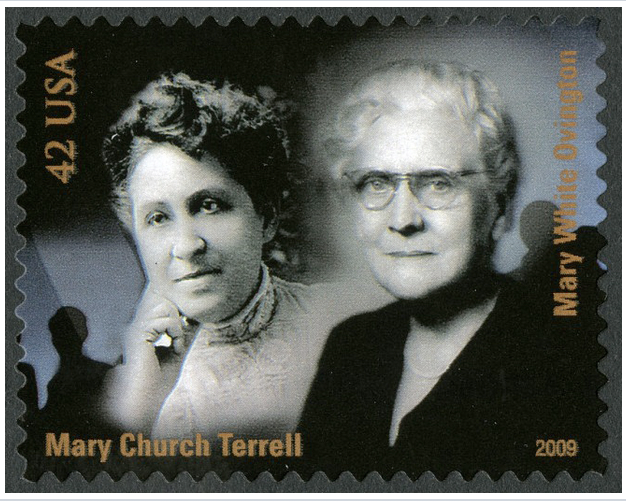
Mary White Ovington
Mary White Ovington had been working for years helping start a settlement house and other social services for Black people in Brooklyn, but one incident amped up her activism. She read of the massacre in President Lincoln’s hometown of Springfield, Illinois in 1908. Some 5,000 in a White mob were enflamed about two Black men falsely accused of murdering a White man and assaulting a White woman. They lynched two innocent Black men and burned down the Black area of town, causing thousands to flee over the two-day assault.
She took the lead along with many other White and Black people to help DuBois and Ida B. Wells start the NAACP. The organization continues strong today with its mission to bring racial justice in all sectors.
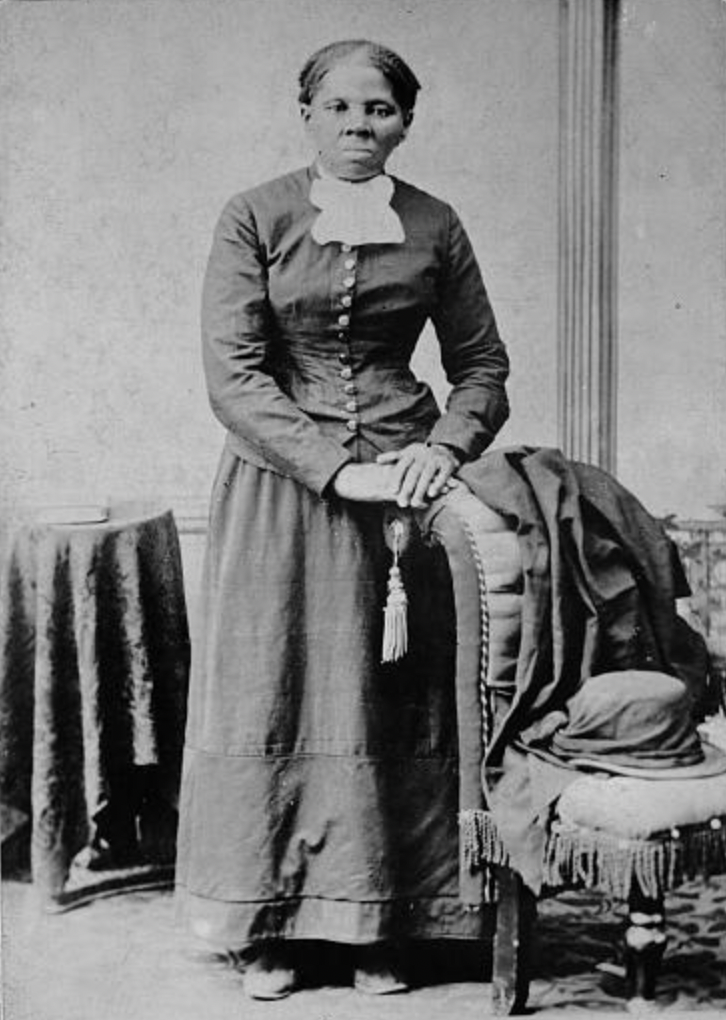
Harriet Tubman
Many know Harriet as the Underground Railroad conductor who brought 70 enslaved people to freedom. That is amazing, but not as many know that she was the first woman in US history to both plan and lead a military raid.
Tubman had worked with abolitionist John Brown on his raid, and in 1863, she again became a scout and organized spies for the Combahee River Raid in South Carolina. She recruited many enslaved people, and the raid was very successful, with the Union troops burning down many plantations and freeing some 750 enslaved people. Many formerly enslaved men joined the Union to fight against the Confederacy.
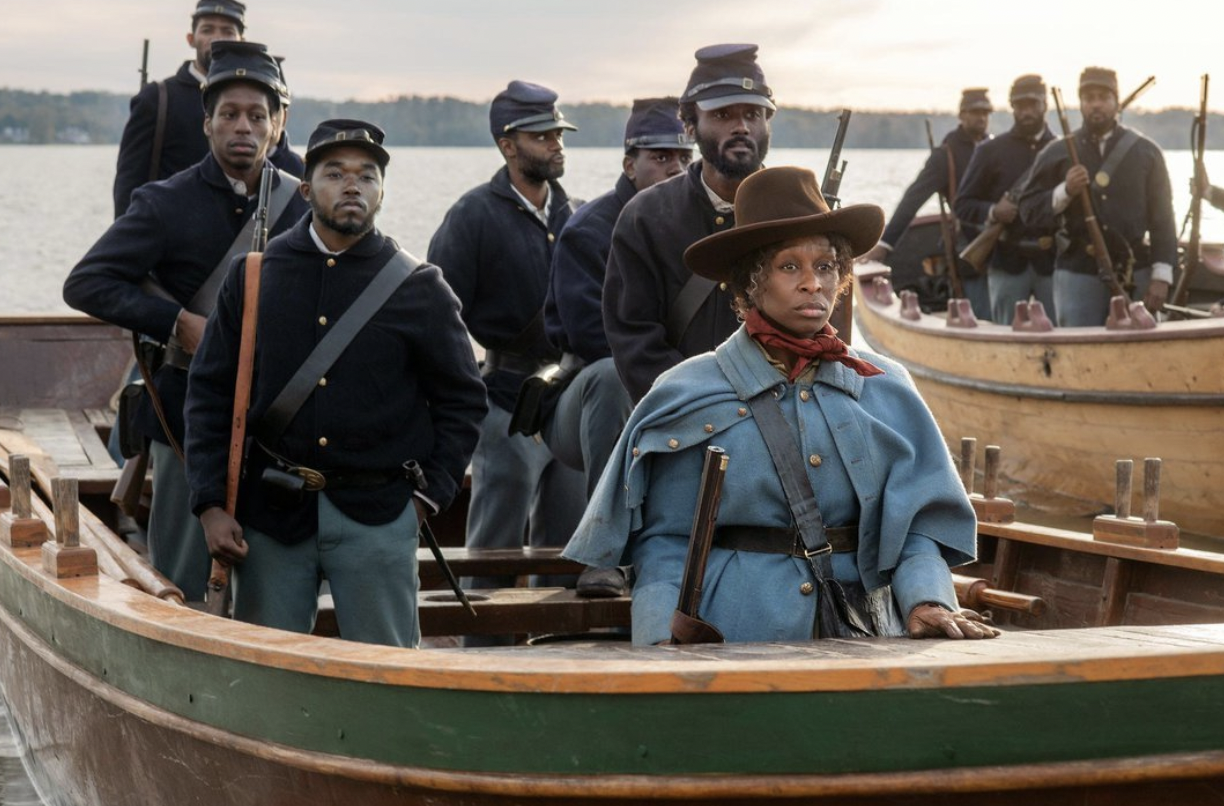
See the raid and more about her in the movie Harriet. And take a driving tour to the places Harriet did her work in eastern Maryland and visit the museum all about her.
When you reach 14th Street, turn left. Imagine you see an “army” headed toward you, full of hope that people in power could lift them from very hard times.
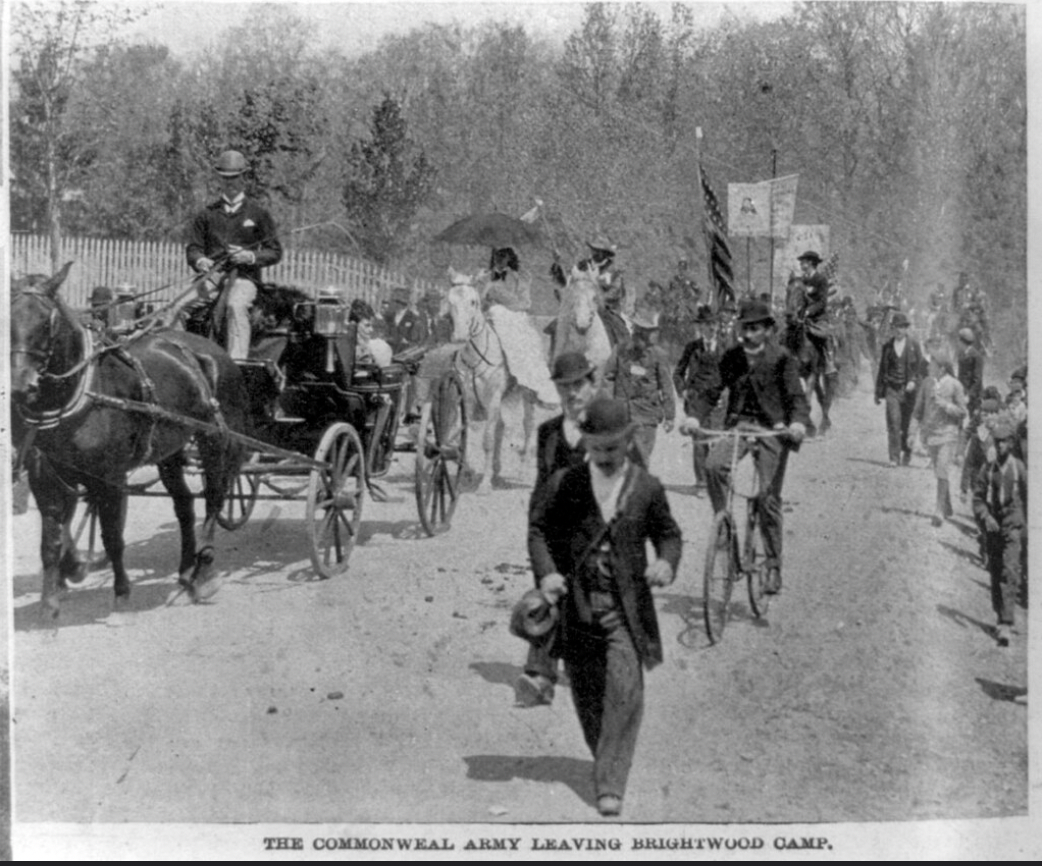
Coxey’s Army
As you walk south on 14th Street, head back to 1893, the year of an economic panic that rocked the US. The Gilded Age had made many massively rich, and railroads were the hot investment ticket. But overbuilding them caused a collapse as some went bellyup. President McKinley had enacted very high tariffs; trade was unbalanced.
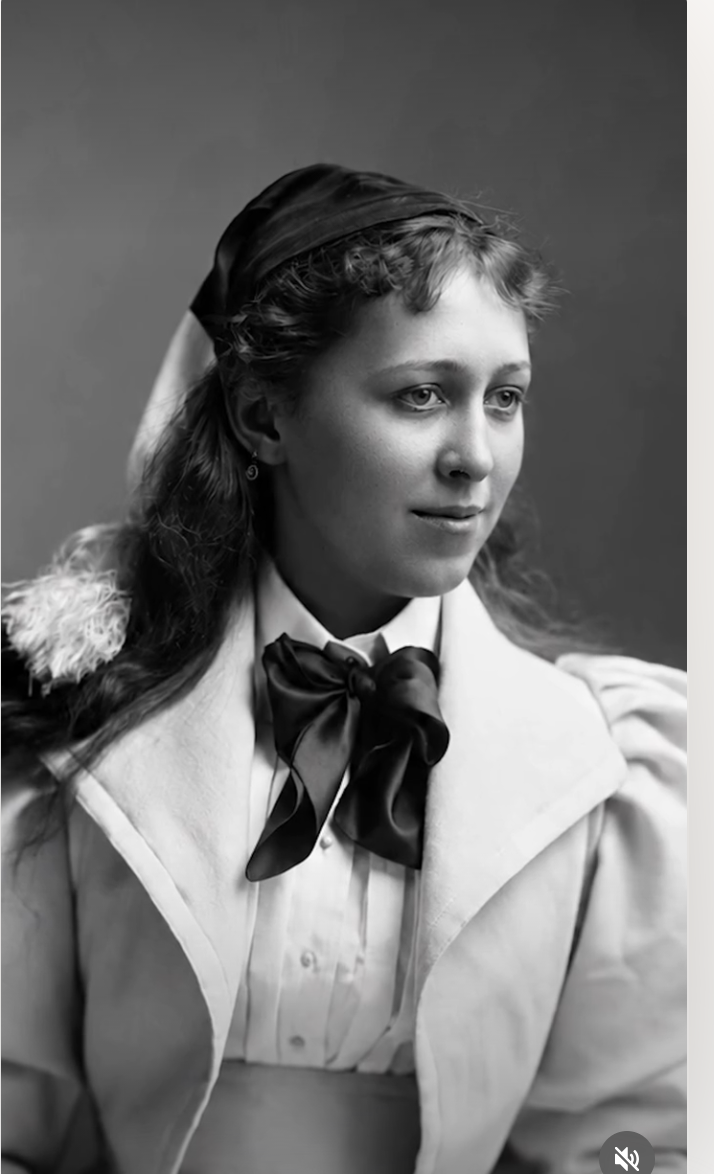
Maxie and dad Jacob storm the Capitol.
Widespread unemployment made many suffering citizens desperate. Some 10,000 of them joined “Coxey’s Army,” led by Ohio business owner Jacob Coxey, who wanted to present his vision to Washington officials for jobs and public works that could employ people and pull out of the depression. His daughter Maxie led the troops on a chestnut horse.
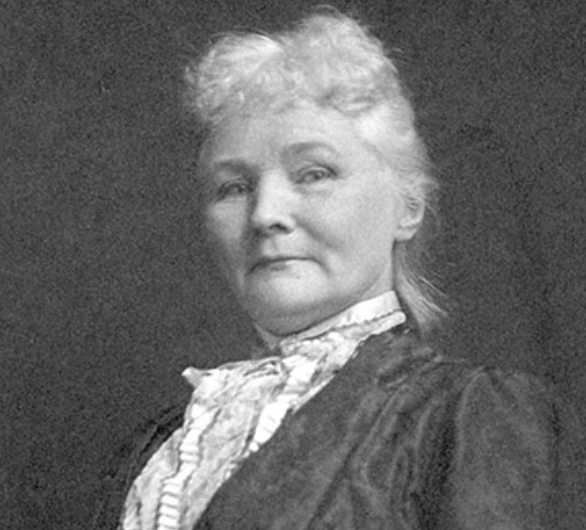
Labor activist and badass Mother Jones
Coxey’s Army marched down 14th Street on their way to the Capitol, after marching and taking river barges all the way from Ohio. Prominent labor activists such as Mother Jones were fundraising for the march. (Learn more about the incredibly awesome Mother Jones here.)
This huge crowd awaited to hear Jacob’s ideas, but police officers on horseback rode into the crowd and roughly dispersed it. They then arrested Jacob and some others, so he wasn’t able to give his address. Other armies of the unemployed sprang up around the country, and Jacob continued pressing for his program.
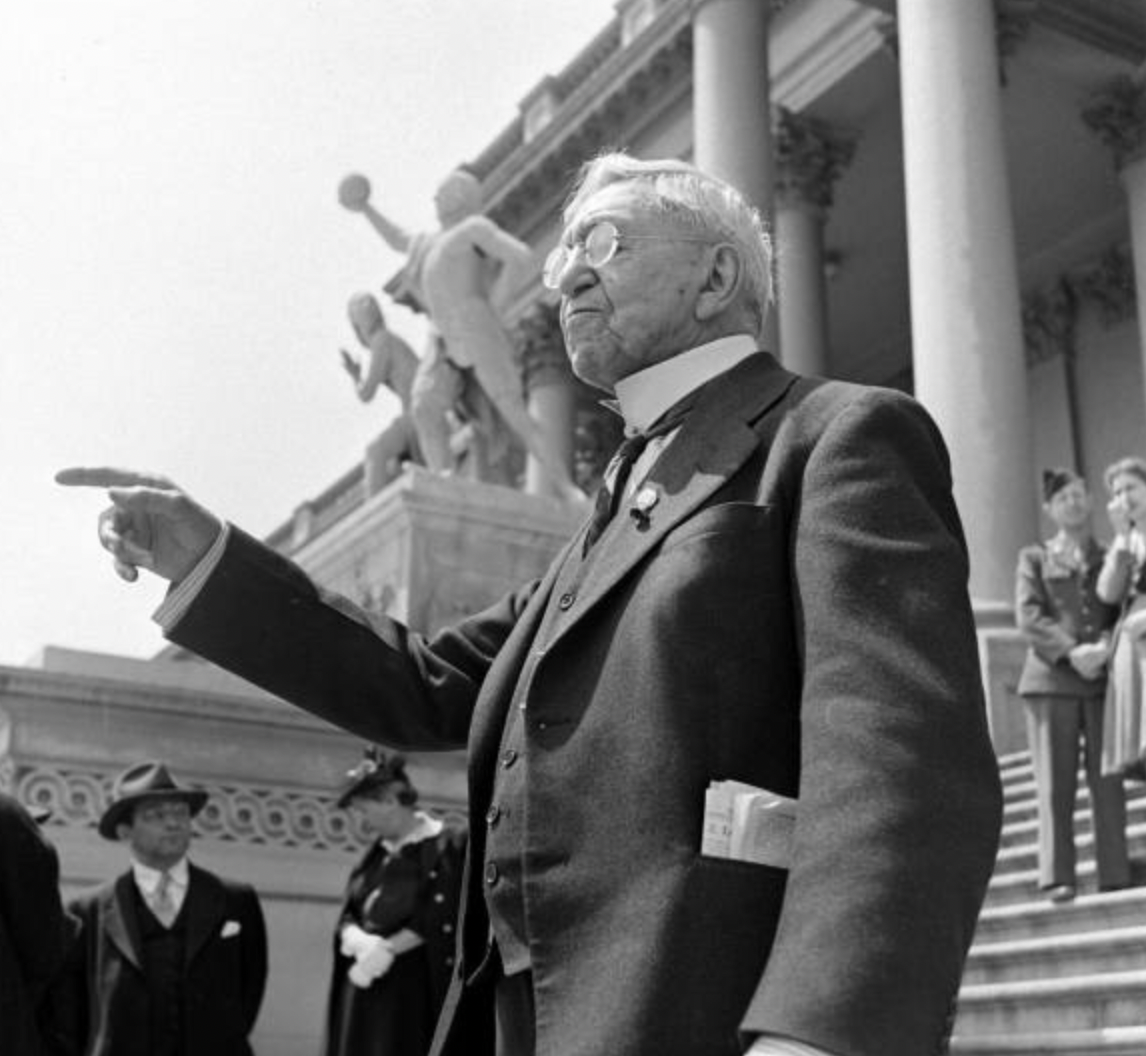
Nearly 50 years later, when FDR’s New Deal programs rolled out, Jacob was invited back to give his address to Congress to a much more receptive audience.
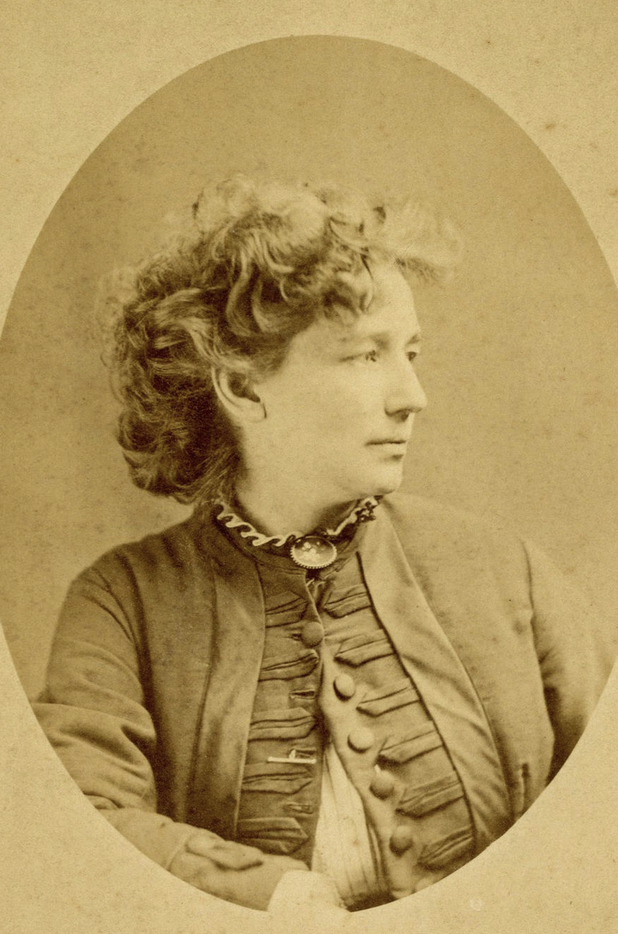
Victoria Woodhull
Head in if you want to get a cup of joe at Le Café or a beer at the Round Robin Bar, because you’ll be walking in the footsteps of some awesome ladies.
See Victoria Woodhull sitting in the lobby of the still-swank Willard Hotel in 1870, carefully analyzing the politicians and lobbyists who swarmed to this hotel since it opened in 1818. She’s figuring out who to work to get to her goal: the United States presidency. She’d be the first female to run, after accepting the nomination from the Equal Rights Party.
Victoria had proven her chops by becoming the first female stockbrokers in the US and then opening a stock exchange firm with her sister Tennie on Wall Street. She’d also started and ran the progressive national newspaper, Woodhull & Claflin's Weekly, to cover women's rights, labor reforms, and other social issues.
Her accomplishments were even more impressive given her tumultuous upbringing in a family of 10 in small-town Ohio with only three years of formal education, raised by a con man dad perpetually in debt and an illiterate mother not always mentally stable.
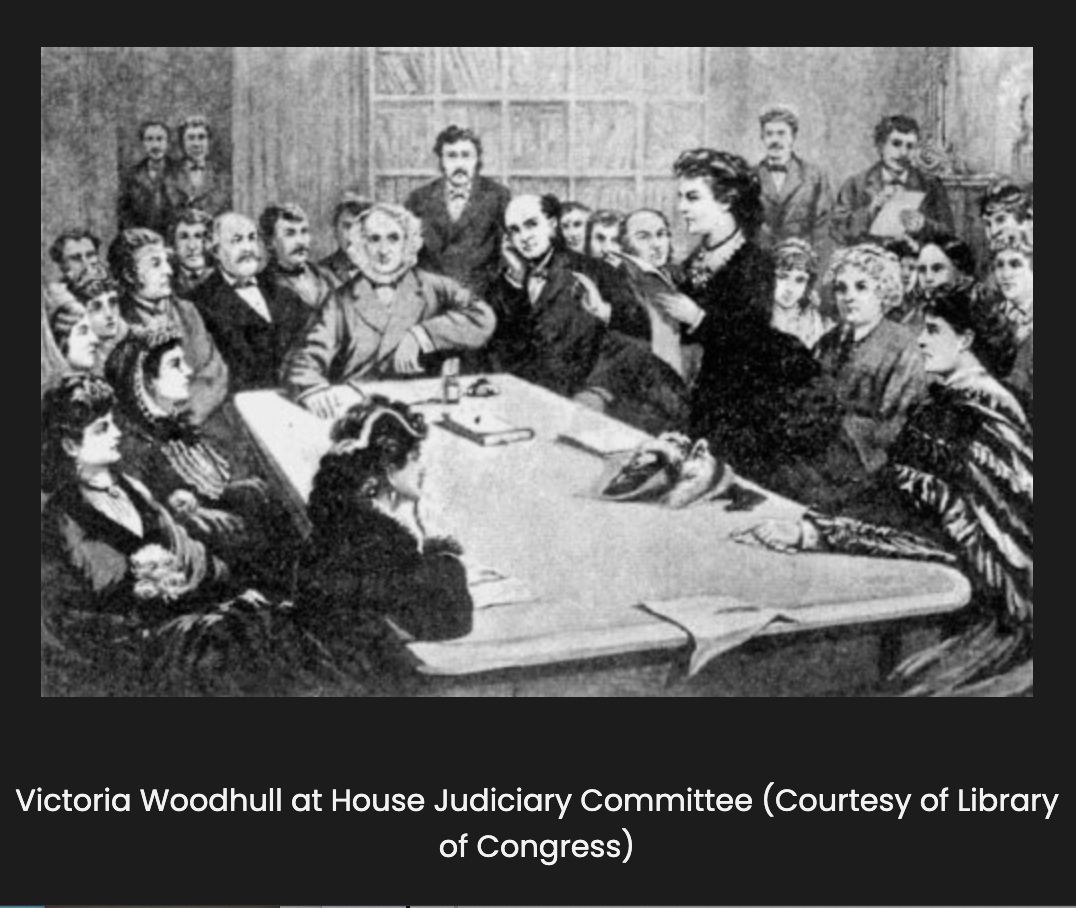
Victoria worked her connections and got to testify before a Congressional committee—the second woman to do so after women’s rights advocate Elizabeth Cady Stanton. She argued that women already had the right to vote, since the 14th and 15th Amendments guaranteed the protection of that right for all citizens, including females. The committee was not convinced; it would be another 50 years until suffrage passed.
And it would be another . . . Oh wait, we’re still waiting . . . until a woman would be elected president. But Victoria’s actions, along with decades of speaking out for women and workers, that inspired some of the many females who who’ve since decided to run for office—and won!
Julia Ward Howe
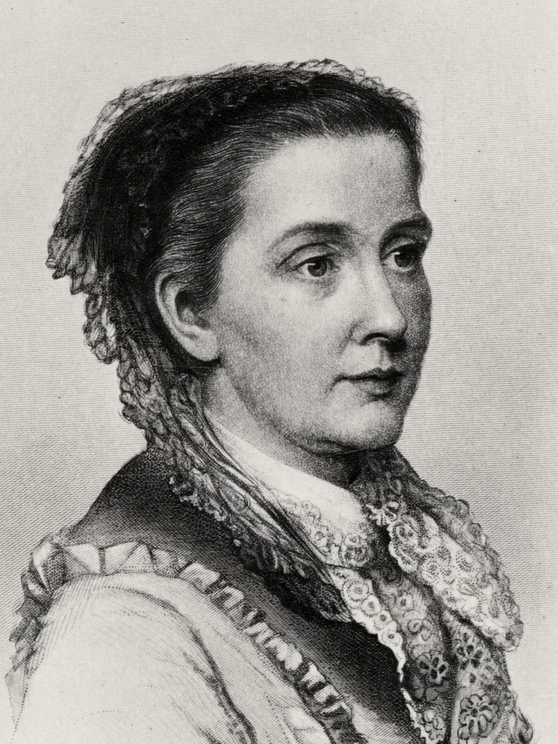
Listen: Do you hear someone upstairs scratching words on paper in the quiet early dawn? On a dark November dawn in 1861, it was Julia Ward Howe, scribbling the words to the Battle Hymn of the Republic in the dark, fearful to light a candle lest the baby awake. Yesterday, her carriage had been stuck behind Union regiments marching into DC, and she heard snatches of songs. She wanted to write lyrics that expressed the moral righteousness of the Union cause.
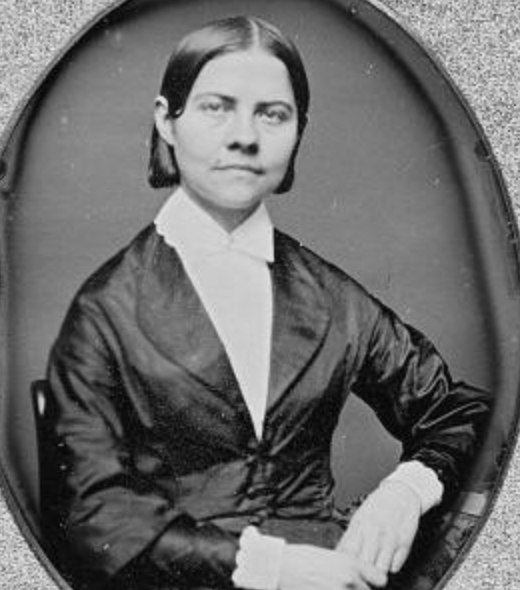
Did you know? “Lucy Stoners” are women who keep their names after marriage as Lucy did.
Julia would later recall that the immense popularity of the song would provide a turning point in her life when she no longer needed to rely on income from her husband, Samuel. She’d suffered under his sexism; his demand that she do nothing other than be a wife and mother despite her talents for writing and passion for social change.
Julia would go on to join with suffragist Lucy Stone to form the American Women’s Suffrage Association, which diverged from some other suffragists by insisting that Black voting rights were just as important as women’s suffrage. She wrote and spoke widely until her death in 1910 at age 91.
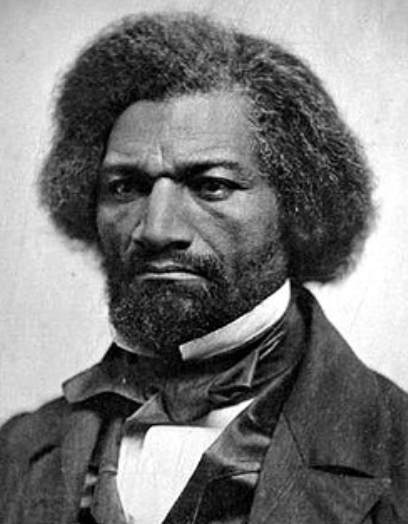
Walk west to 15th Street and turn right. Look for the medallion for Frederick Douglass, fierce truth-telling abolitionist and supporter of women’s rights. Then head north on 15th to the magnificent Treasury Building.
Treasury Women
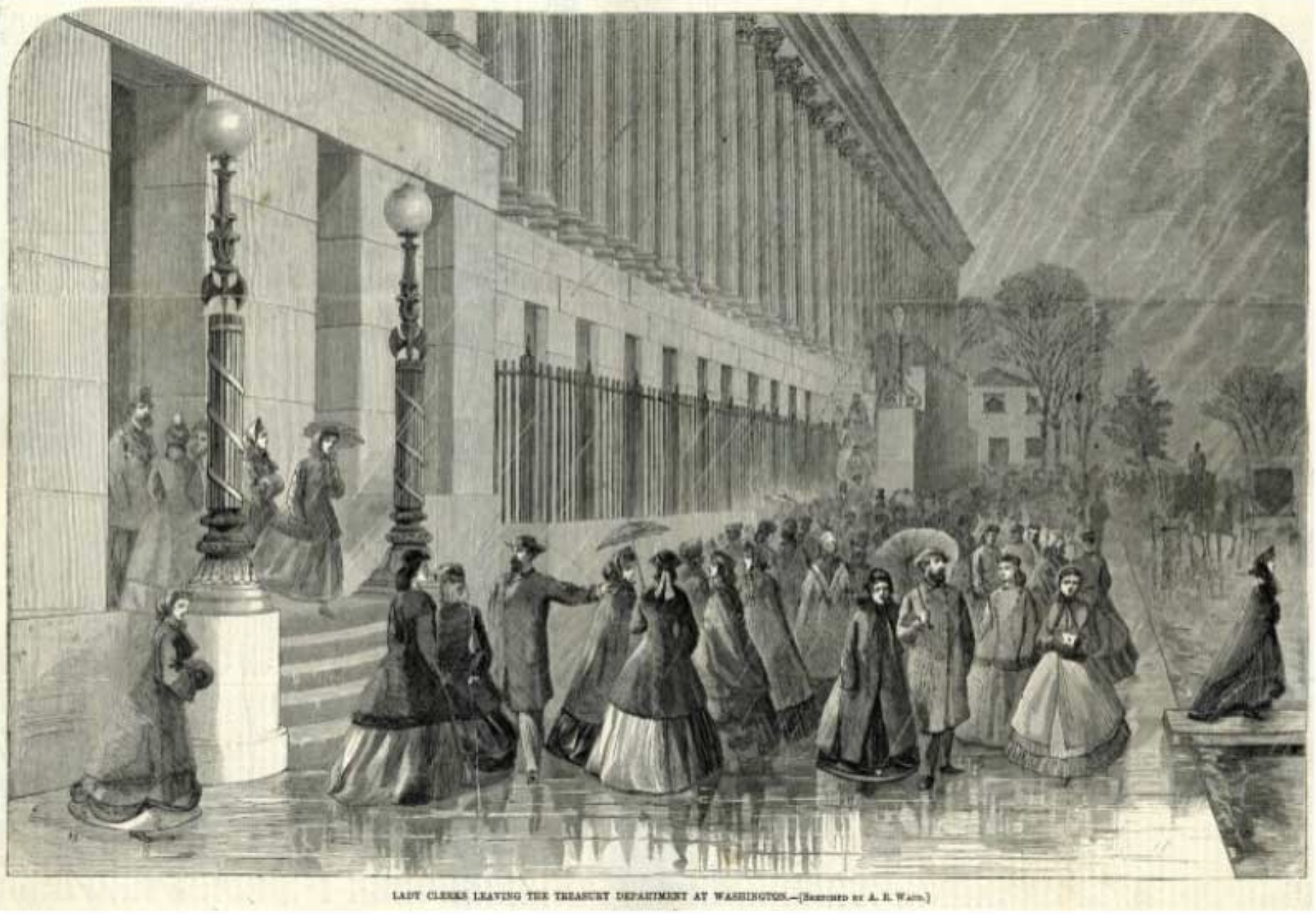
Can you see these “government girls” streaming out of the Treasury building in the 1860s? Treasury was one of the most receptive departments to hire federal females, starting with the passage in 1862 of the First Legal Tender Act authorizing the production of national currency. Bosses thought that women, with their sewing skills, might be good at hand-trimming the paper bills. Plus, they could pay them half what they paid men!
Georgia: First in a long line of females
In fact, women were hired (at half the pay) even earlier in 1795, when “adjusters” inspected coins and filed them down if needed to the proper weight. Women were also great at spotting counterfeits—Mrs. William Leonard never made one mistake in her 41 years of service that started in 1864.
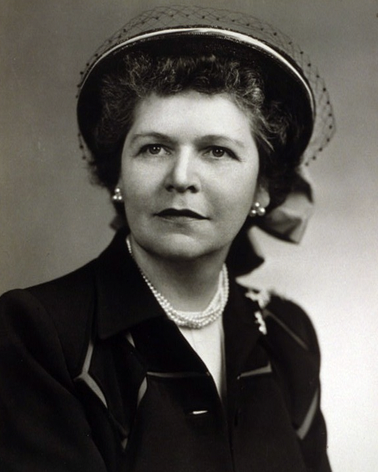
Over the years, women rose in the ranks; more recently, up to the top. In 1949, President Harry Truman appointed the first female US Treasurer, Georgia Neese Clark, and ever since, every US treasurer has been a woman.
Janet: First and only top Treasury lady
We have seen a woman’s signature on our bills for over 75 years. UNTIL President Trump broke the streak, appointing election-denier Brandon Beach in 2025, and announced that Trump’s own signature would appear on bills instead.
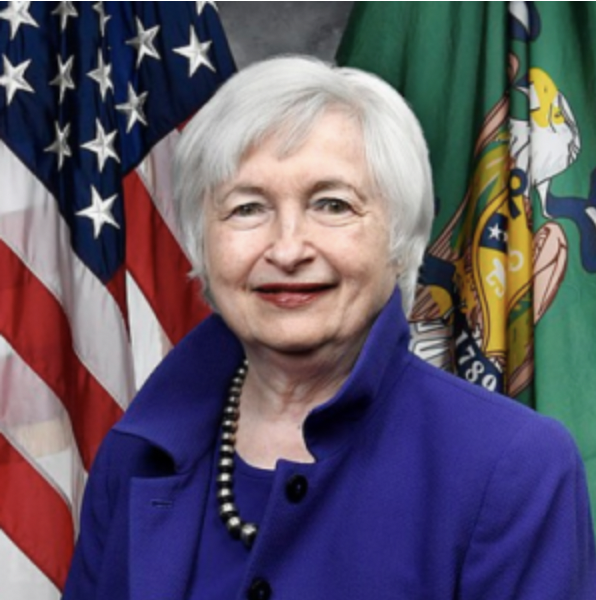
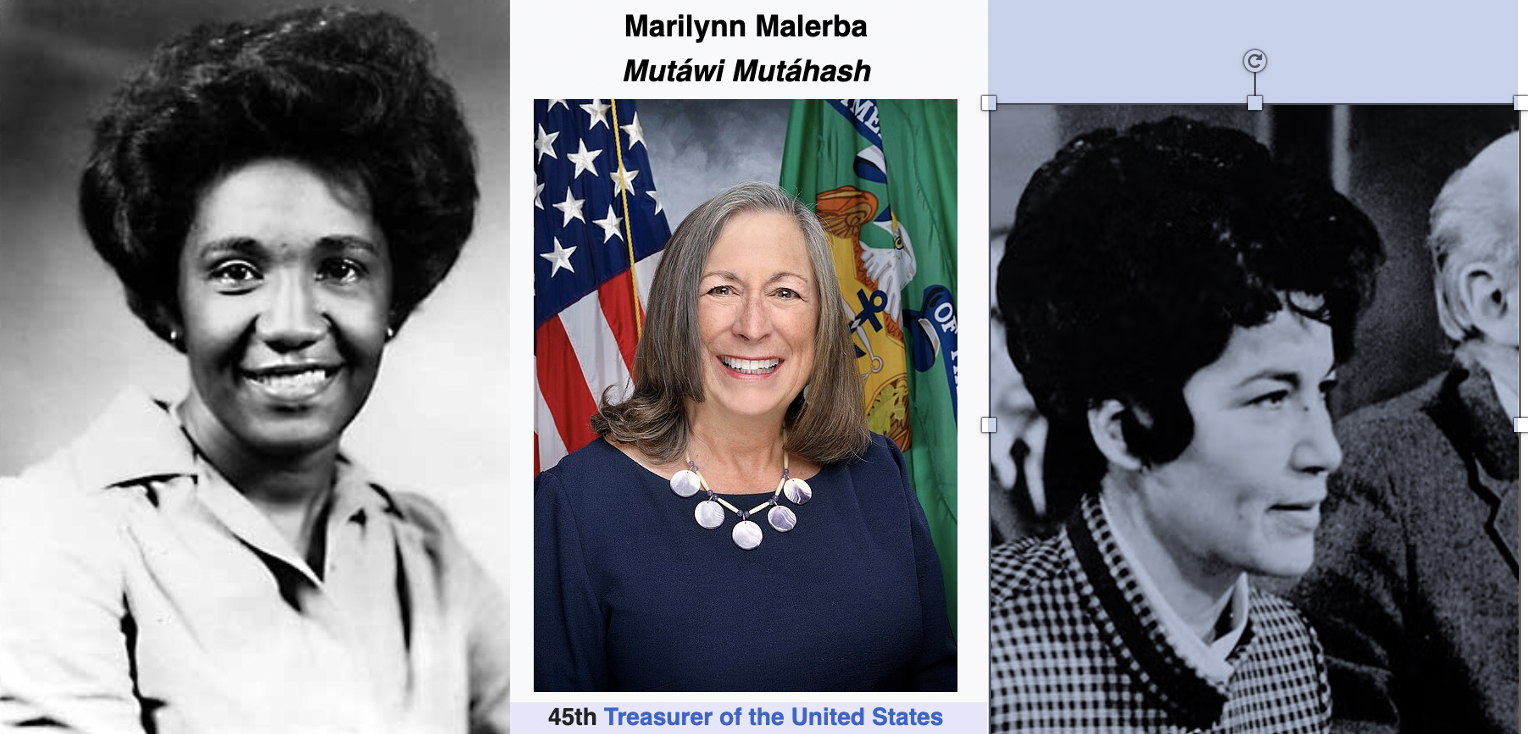
Herstory stands on its own, so check out this sample of the lady lineup. Janet Yellin was the first Treasury Secretary (2021)—a Cabinet position overseeing the entire department. Treasurer firsts include (below)Azie Taylor Morton (1977), first and only Black treasurer; Marilynn Roberge Malerba (2022), first Native American (Mohegan-Pequot), and Romana Acosta Bañuelos (1971), first Latina treasurer; .
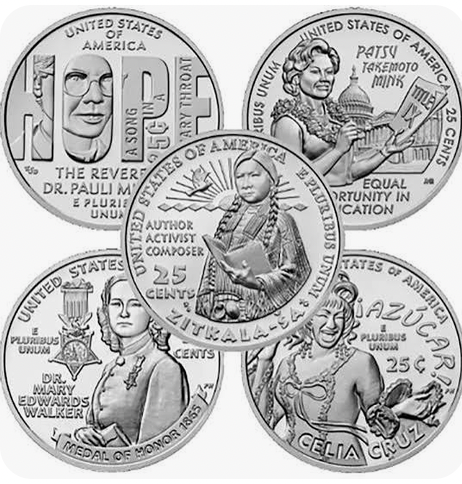
And we love seeing women on the 20 quarters, a program that sprang from US Rep. (CA) Barbara Lee’s bill that with two Republican cosponsors, passed. Check out all the sheroes, including Native American activist and Cherokee Nation chief Wilma Mankiller; suffrage leader and educator Adelina Otero-Warren; and equity activist US Rep. (HI) Patsy Takemoto Mink.